
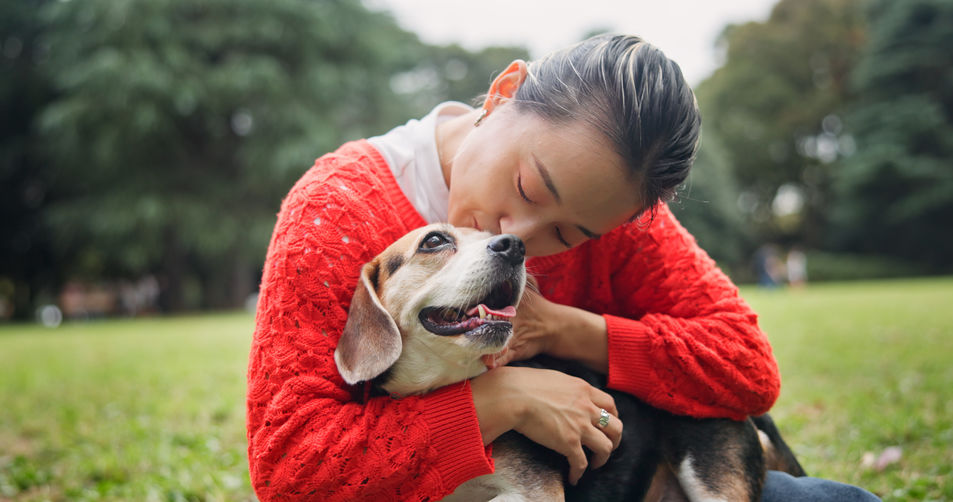
Dogs have shared their lives with humans for thousands of years—but how did we get from wild canines living alongside early humans to man’s best friend?
Science shows that these bonds are more than just instinctual; they are deeply rooted in biology, communication, and shared experiences. Understanding how dogs form attachments can help strengthen relationships, improve behavior, and create a more secure and happy life together.
The Science Behind How Dogs Bond with Humans
Dogs form emotional bonds through a combination of biology, learning, and social interaction.
From an evolutionary perspective, dogs developed alongside humans and learned to read human cues better than almost any other species. They respond to tone of voice, body language, routine, and consistency. When a dog experiences predictable care, positive reinforcement, and emotional safety, their brain associates their human with security and reward.
One of the strongest drivers of this bond is oxytocin, often called the “bonding hormone.” Studies show that when dogs and humans make eye contact, both experience increases in oxytocin levels. In fact, this experience is similar to the attachment process between parents and infants!
How Do I Know If My Dog Loves Me?
This is one of the most common questions people ask—and it makes sense! We all love our dogs, and it’s natural that we want that to be reciprocated.
While dogs don’t experience love exactly the way humans define it, research shows they form deep emotional attachments to their caregivers. Every breed and personality are different, but some common behaviors often associated with emotional attachment include:
- Following a person from room to room
- Seeking physical contact or leaning against someone
- Relaxed eye contact or soft facial expressions
- Bringing toys or initiating interaction
- Checking in with you during new situations or environments
- Choosing to sleep nearby or maintain proximity
- Excited greetings paired with relaxed body language
- Responding to voice cues or emotional tone
- Showing trust in vulnerable situations, such as grooming or vet visits
Of course, no single behavior defines attachment on its own, but patterns of these behaviors over time often reflect a strong emotional bond.
It is important to note, however, that some behavioral signals can sometimes be misunderstood. For example, excessive clinginess may indicate anxiety rather than secure bonding. That’s where guidance from structured training can help identify whether behaviors reflect healthy attachment or underlying stress patterns.
What Can Help Strengthen the Bond Between a Dog and Owner?
First and foremost, attachment grows through consistency. Additionally, dogs thrive when they understand how to succeed within their environment. So, foundational elements such as:
- Consistent cues
- Reward-based learning
- Clear boundaries
- Structured interactions
- Daily routines
- Positive communication
Are important, as they create a feedback loop where trust grows naturally, and all help to build emotional safety over time.
Training plays a significant role in this process—because expectations are clear, dogs feel more confident, which strengthens their relationship with their humans.
Programs like our one-on-one virtual obedience training support this process by teaching communication skills that reduce confusion and frustration on both sides. Our virtual training specifically offers unique advantages for building this connection, as working within the home environment allows behaviors to be addressed where they actually happen, and individualized support ensures that both dog and handler learn together.
Ready to Build a Stronger Bond with Your Dog?
Understanding how dogs form attachments can help you recognize the subtle ways your dog shows connection and trust—something that’s invaluable when it comes to both general obedience training and specialized training. So, whether you’re looking to strengthen the bond and connection you and your dog have or better understand your dog’s behavior, we can help.
At Fetch and More, we combine decades of experience with individualized support, science-backed approaches, and practical tools to strengthen the relationship between dogs and their humans.
When you’re ready to take the next step toward creating a stronger relationship, we invite you to explore our virtual obedience training course, or browse our full catalogue of virtual dog training courses to find the program that best fits your needs. If you have any questions at all, please don’t hesitate to fill out a contact form, email us, or call us at 201-914-8268.
Frequently Asked Questions About How Dogs Form Emotional Bonds
For more insights, explore our FAQ page or check out our FAQ blog!
How long does it take for a dog to form a strong emotional bond?
Bonding timelines vary depending on age, past experiences, and consistency of interaction. Some dogs show attachment within weeks, while others—especially rescues or dogs with trauma histories—may take months to fully develop trust.
Can a dog bond with more than one person equally?
Yes! Dogs can form multiple secure attachments.
What if my dog shows affection, but also struggles with reactivity or separation anxiety?
Affection and behavioral challenges can exist at the same time. Dogs communicate primarily through behavior, and strong emotions can sometimes appear as reactivity or separation anxiety. These behaviors often reflect emotional overwhelm rather than a lack of bond, and structured training that focuses on emotional regulation can help guide intense emotions into more balanced, confident behaviors.